
Symptoms Guide for Vein Disease — Signs, Causes & Treatments
Signs, Causes & Treatment Options
At Versailles Health & Wellness, we provide clear, evidence-based information and compassionate care so you can understand your vein health and choose the right treatment. This comprehensive Symptoms Guide for Vein Disease explains what venous disease is, common causes and risk factors, detailed symptom descriptions (from early signs to urgent symptoms), diagnosis, treatment options, prevention tips, and when to seek care. The content is written in plain language and optimized for search terms such as “symptoms guide for vein disease,” “signs of venous insufficiency,” “varicose vein symptoms,” and “venous ulcer symptoms.”
What is vein disease?
Vein disease (also called venous disease or chronic venous insufficiency — CVI) happens when the one-way valves in the leg veins fail to move blood efficiently back to the heart. Blood can pool or flow backward (reflux), increasing pressure in the veins and causing visible veins, pain, swelling, skin changes, and in advanced cases, venous ulcers. Vein disease ranges from cosmetic spider veins to symptomatic varicose veins and serious complications such as deep vein thrombosis (DVT).
Common causes and risk factors
- Family history of varicose veins or venous disease
- Increasing age (valve wear and reduced elasticity)
- Female sex and hormonal changes (pregnancy, birth control, menopause)
- Prolonged standing or sitting (jobs or travel)
- Overweight or obesity
- Previous leg injury, surgery, or deep vein thrombosis (DVT)
- Sedentary lifestyle and poor calf muscle pumping
- Smoking and certain medical conditions
Who is a candidate?
- Symptomatic varicose veins (aching, swelling, heaviness, cramping, itching)
- Documented venous reflux on duplex ultrasound or chronic venous insufficiency
- Cosmetic concerns from bulging veins or visible varicosities
- General good health and realistic expectations
Symptoms guide for vein disease — detailed explanations
Visible vein changes
- Spider veins (telangiectasia): Fine red, blue, or purple lines close to the skin surface that form networks or web-like patterns. Mostly cosmetic but may cause mild aching, burning, or sensitivity.
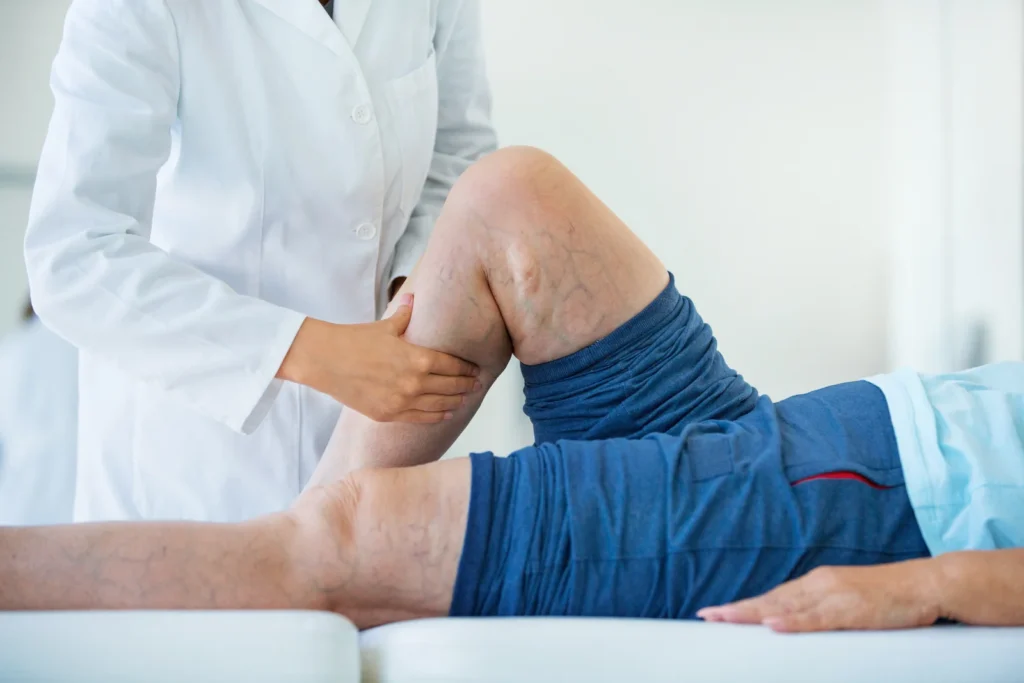
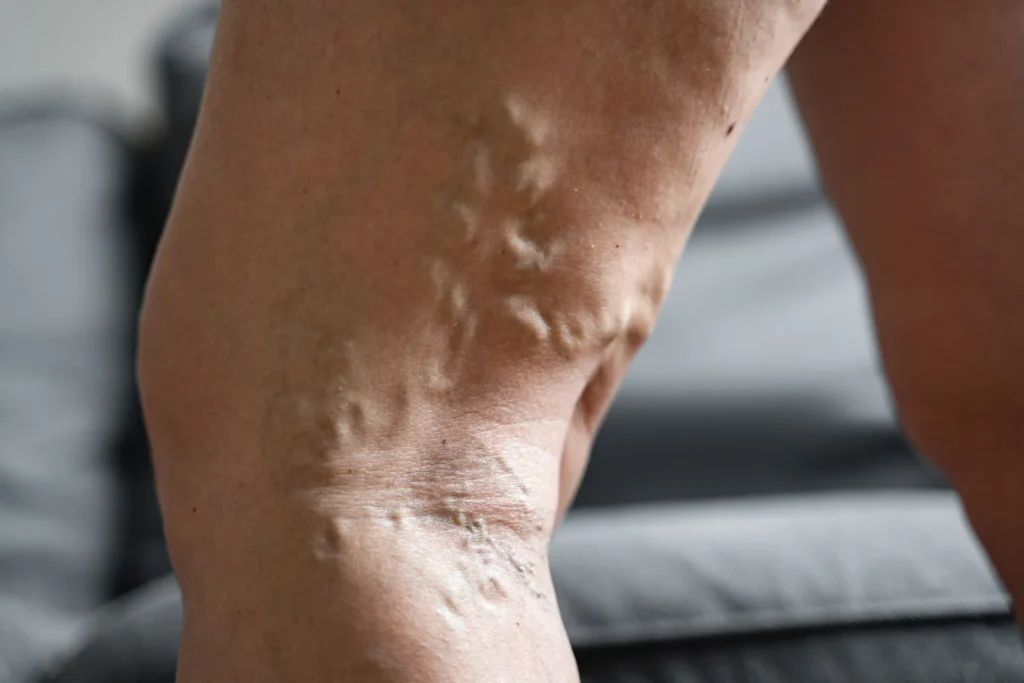
- Varicose veins: Enlarged, twisted, and bulging veins that are blue or dark purple and often raised above the skin. They usually indicate underlying valve dysfunction (venous reflux) and are more likely to cause symptoms such as pain and swelling.
Sensation symptoms — how venous pain and discomfort feel
- Aching or heaviness: A dull, persistent ache or sensation of heaviness in the legs, often worse after prolonged standing or by day’s end. This is one of the most common early symptoms of venous insufficiency.
- Throbbing or pulsating: A rhythmic or pulsing discomfort in the affected area, often intermittent.
- Cramping (night cramps): Sudden, painful muscle cramps at night (nocturnal leg cramps) that can disturb sleep; when frequent and associated with visible veins, they may point to venous disease.
- Burning, itching, or tingling: Skin over affected veins can feel irritated (venous eczema) — scratching can worsen inflammation and lead to skin breakdown.
Swelling (edema) — what to look for
- Mild, daily swelling: Ankle or lower-leg swelling that appears by evening and improves with leg elevation is common in early disease.
- Persistent or worsening swelling: Constant swelling that does not get better with rest or elevation, or swelling that affects only one leg — this requires evaluation to rule out DVT, lymphedema, or other causes.
- Pitting vs non-pitting edema: Press the swollen area for a few seconds—if it leaves a dent (pitting edema), fluid is collecting in the tissues; this is common with venous edema.
Skin changes — signs of progression
- Discoloration: Brownish or rust-colored staining (hemosiderin) near the ankle from chronic blood pooling.
- Dry, scaly, or itchy skin: Chronic inflammation can make the skin dry and flaky.
- Lipodermatosclerosis: Thickening and hardening of the skin and subcutaneous tissue, often making the lower leg look narrow at the ankle and wide at the calf (“inverted champagne bottle” appearance). This signals advanced venous disease and an increased ulcer risk.
Venous ulcers — characteristics and concerns
- Typical location: Usually appear near or above the inner ankle (medial malleolus).
- Appearance: Shallow, irregular sores with surrounding discolored or inflamed skin. Ulcers often ooze fluid, form crusts, and take a long time to heal without proper treatment.
- Warning: Any non-healing sore or open wound on the lower leg needs prompt evaluation and wound care.
Acute or urgent symptoms - when to seek immediate care
- Sudden, severe leg pain with swelling, warmth, and redness: Could indicate deep vein thrombosis (DVT), a serious condition that requires urgent medical attention.
- Rapidly increasing redness, severe pain, fever, or systemic symptoms: May indicate infection (cellulitis) or complicated superficial thrombophlebitis and should be evaluated quickly.
- Bleeding from varicose veins: Superficial varicose veins close to the skin can rupture and bleed—apply firm pressure and seek medical help if bleeding is significant.
Other vein-related signs
- Superficial thrombophlebitis: Tender, red, cord-like veins just under the skin—less dangerous than DVT but still painful and usually needing assessment.
- Restless legs: An uncomfortable urge to move the legs at rest; while not exclusive to venous disease, it can coexist with chronic venous symptoms.
How symptoms typically progress and common triggers
- Symptoms often worsen after long periods of standing, during pregnancy, after weight gain, or with hormonal changes.
- Without treatment, venous reflux can progress from spider veins to varicose veins, chronic swelling, skin changes, and ulcers.
Self-check questions to assess symptoms
- Do my legs feel heavier or more tired as the day goes on?
- Do I have visible twisted or spider-like veins?
- Does swelling improve when I elevate my legs?
- Are there skin color changes, persistent dryness, or open sores near my ankle? If you answer “yes” to one or more and symptoms persist or worsen, schedule a vein evaluation.
How venous disease is diagnosed
- Medical history and physical exam: A vein specialist will review symptoms, risk factors, and perform a focused leg exam.
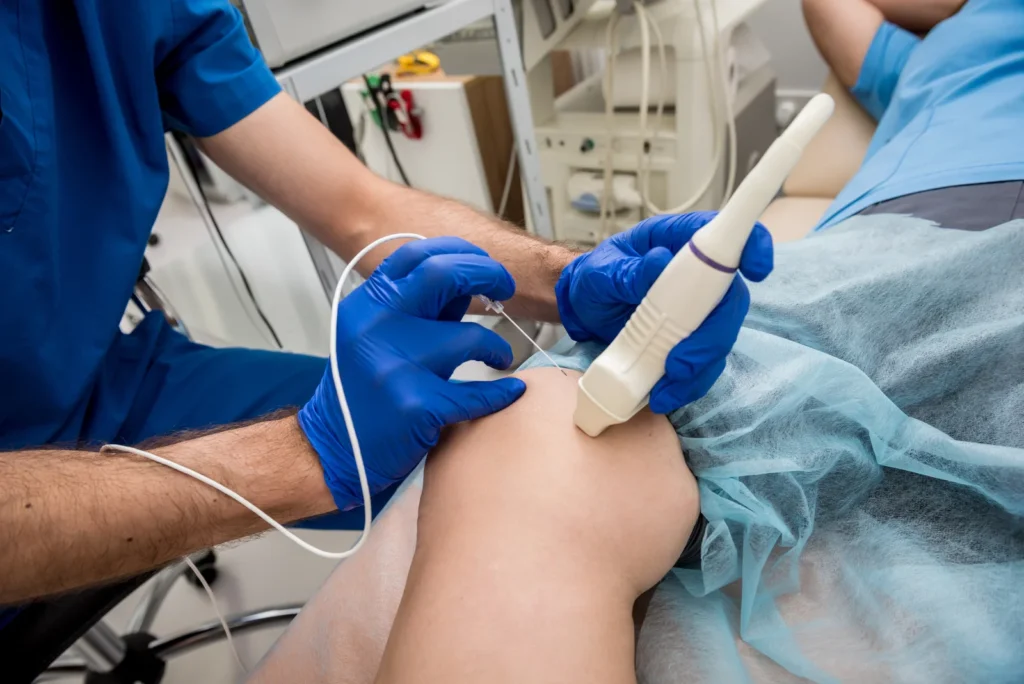
- Duplex ultrasound: Noninvasive ultrasound that checks blood flow, valve function, identifies reflux, and rules out DVT — this is the primary diagnostic test.
- Additional testing: Rarely, specialized imaging (venography, CT/MR venous studies) may be used for complex cases or pelvic venous disease.
Treatment options
Treatment depends on symptom severity, diagnostic findings, cosmetic concerns, and overall health. Versailles Health & Wellness emphasizes individualized, evidence-based plans.
Graduated compression stockings: Medical-grade compression reduces swelling and improves symptoms. A specialist will recommend the right pressure and fit.
Leg elevation: Elevating legs above heart level several times daily helps reduce swelling.
Movement and exercise: Walking and calf-strengthening exercises improve venous return.
Weight management and avoiding prolonged standing/sitting.
Skin care: Moisturizers for dry skin; proper wound care for ulcers.
Many minimally invasive procedures are performed in-office with local anesthesia and same-day return to most activities.
Compression stockings are often recommended for 1–2 weeks after procedures.
Full recovery and maximal cosmetic improvement can take weeks to months; your provider will give personalized instructions.
Persistent or worsening leg aching, swelling, or visible bulging veins affecting daily life.
Skin discoloration, hardening, or any non-healing sore above the ankle.
Sudden severe pain and swelling in one leg (possible DVT) — seek immediate care.
If you want a professional evaluation for symptoms or cosmetic treatment options.
Sclerotherapy: Injection of a sclerosant into spider veins or small varicose veins to seal them closed. Effective for cosmetic and symptomatic relief.
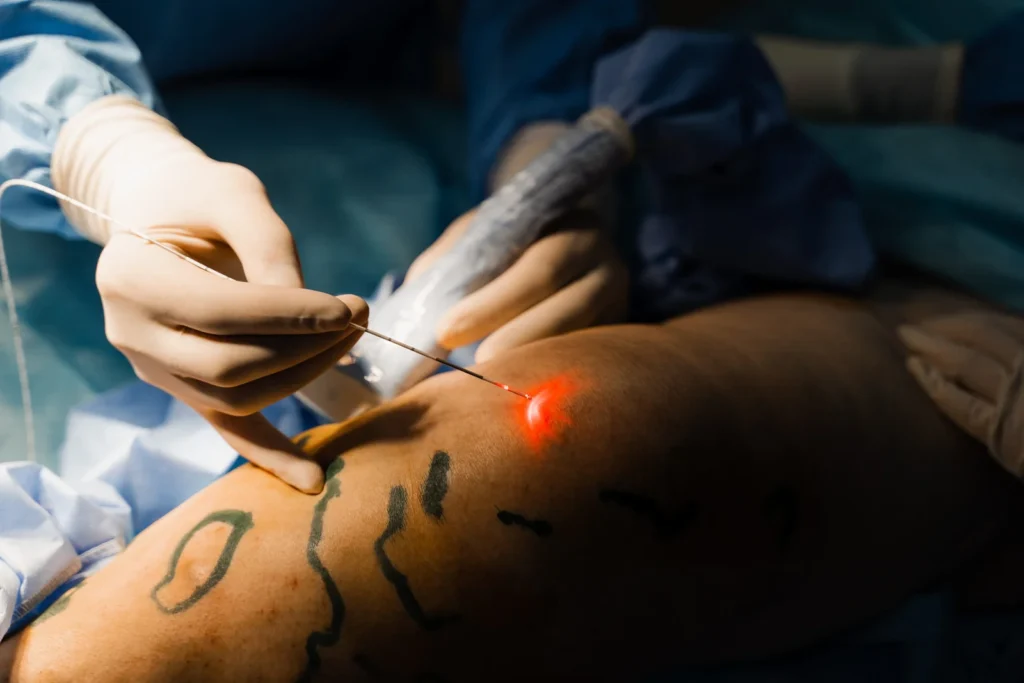
Endovenous thermal ablation (radiofrequency ablation or endovenous laser ablation): Uses heat to close refluxing saphenous veins under ultrasound guidance. High success, quick recovery.
Mechanochemical ablation (MOCA) and cyanoacrylate glue closure (medical adhesive): Non-thermal options that close veins without tumescent anesthesia; useful for certain patients.
Ambulatory phlebectomy: Small incisions to remove larger surface varicose veins—often done in combination with ablation of deeper refluxing veins.
Compression and advanced wound care for venous ulcers; referral for surgical or specialty wound therapies when needed.
Anticoagulation or urgent care referral when DVT is diagnosed.
Move frequently — take short walks every 30–60 minutes during long periods of sitting or standing.
Wear compression stockings if advised by a clinician.
Maintain a healthy weight and stay active with regular walking and leg exercises.
Avoid tight clothing around the waist or legs; elevate legs periodically.
Stay hydrated and avoid smoking.
Elevate your legs above heart level for 15–20 minutes several times daily.
Wear medically graded compression stockings as recommended.
Avoid prolonged standing/sitting; walk periodically.
For bleeding varicose veins: apply firm pressure and seek medical care for uncontrolled bleeding.
Why treat vein disease?
- Reduce pain, heaviness, swelling, and skin symptoms.
- Prevent progression to skin changes and venous ulcers.
- Lower the risk of clot complications and improve mobility and quality of life.
- Improve appearance and confidence when desired.
FAQs
Early signs include visible spider veins or varicose veins, leg heaviness or aching after standing, mild ankle swelling that improves with elevation, and nighttime cramps. If symptoms progress or skin changes appear, see a specialist.
Spider veins are small, superficial, and mostly cosmetic (fine red/blue lines). Varicose veins are larger, bulging, twisted veins that usually indicate underlying valve reflux and are more likely to cause pain, swelling, and complications.
Most cases are primarily symptomatic or cosmetic, but untreated venous reflux can progress to chronic swelling, skin changes, ulcers, and may increase clot risks (superficial thrombosis or DVT). Sudden severe leg pain and swelling can indicate DVT — seek immediate care.
Conservative measures (compression, elevation, exercise) help symptoms. Many symptomatic varicose veins and refluxing veins respond well to minimally invasive procedures — endovenous thermal ablation, sclerotherapy, mechanochemical ablation, glue closure, or ambulatory phlebectomy — often done in the office with quick recovery.
Treatments close or remove dysfunctional veins. When underlying reflux is corrected, treated veins are unlikely to recur, but new veins can develop over time. Ongoing prevention, follow-up, and lifestyle measures help preserve results.
Most patients return to normal activities the same day or within a few days. You may need to wear compression stockings for 1–2 weeks. Recovery varies by procedure and individual factors; your specialist will give tailored guidance.