
Phlebectomy & Sclerotherapy
Confidence Starts with Healthy Circulation
Rediscover comfort and confidence with evidence-based, minimally invasive vein care. At Versailles Health & Wellness, our vein treatments blend clinical precision with a gentle, patient-centered approach to relieve symptoms, improve leg appearance, and restore function.
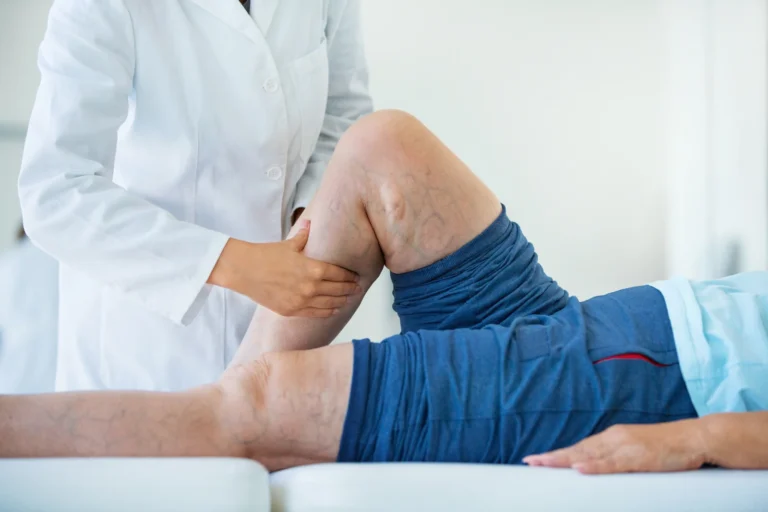
What are Phlebectomy and Sclerotherapy?
- Phlebectomy (ambulatory microphlebectomy): A minimally invasive procedure that removes larger, bulging varicose veins through tiny skin punctures using specialized hooks. Performed under local tumescent anesthesia, phlebectomy delivers immediate vein removal with minimal scarring.
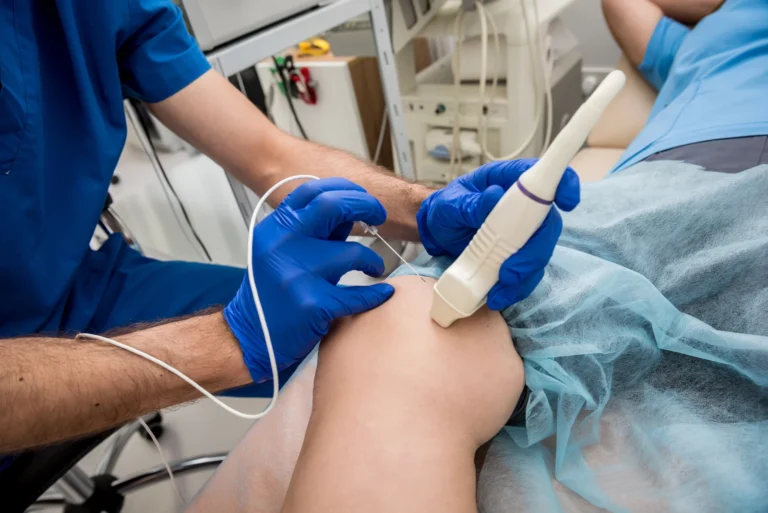
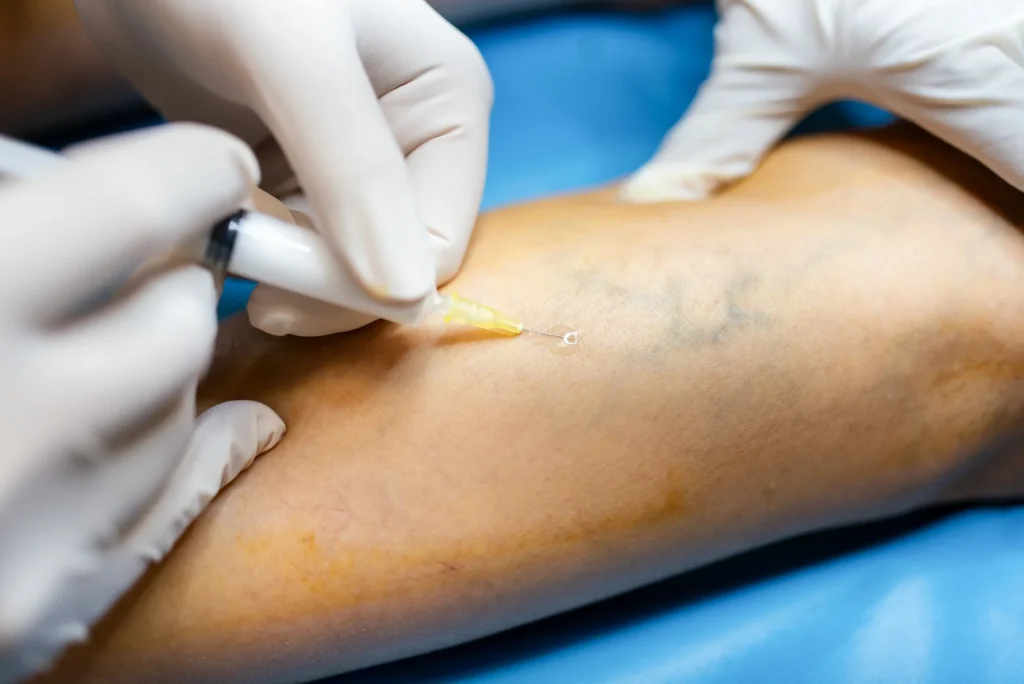
- Sclerotherapy (liquid or foam): A treatment that closes small to medium varicose veins and spider veins by injecting a sclerosant solution or foam into the vein, causing it to collapse and be reabsorbed. Ultrasound-guided sclerotherapy is used for deeper or larger feeder veins.
When each treatment is used (key differences)
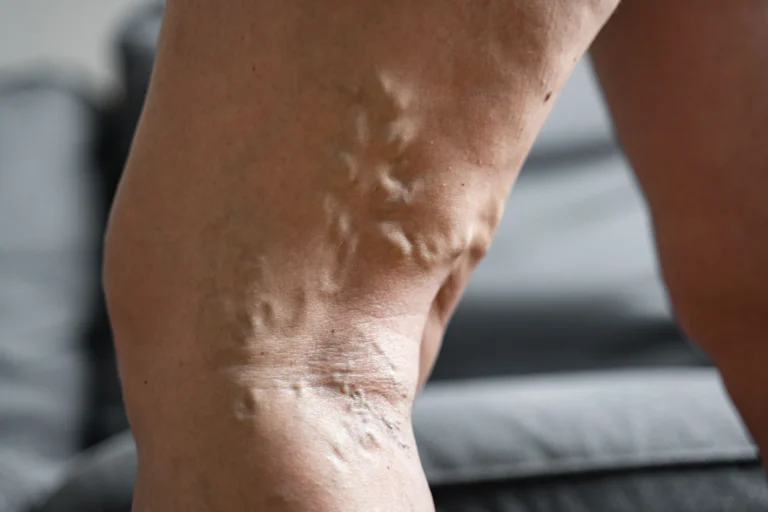
- Use phlebectomy for: large bulging varicose veins, symptomatic veins causing pain, swelling, cramping, or skin changes.
- Use sclerotherapy for: spider veins, small reticular veins, or as adjunctive therapy after endovenous ablation or phlebectomy.
- Often combined: A personalized plan may include endovenous ablation, phlebectomy, and sclerotherapy for optimal functional and cosmetic results.
Why choose minimally invasive vein treatments at Versailles?
- Specialized vein assessment with duplex ultrasound to map reflux and plan targeted care.
- Evidence-based techniques (ultrasound-guided sclerotherapy, ambulatory microphlebectomy, tumescent local anesthesia).
- Quick procedures performed in-clinic with short recovery and excellent cosmetic outcomes.
- A compassionate, clinically driven team focused on longterm comfort and natural-looking results.
What to expect
Sclerotherapy
- Consultation & ultrasound mapping.
- Cleansing and marking of target veins.
- Injection of sclerosant (liquid or foam) into the vein.
- Compression applied immediately with bandages or stockings.
- Typical session: 15–45 minutes; multiple sessions may be scheduled depending on the extent of veins.
Phlebectomy
- Pre-procedure ultrasound mapping and marking.
- Local tumescent anesthesia around target veins.
- Tiny incisions (1–3 mm) through which veins are removed using micro-hooks.
- Compression dressing and instructions for early ambulation.
- Typical procedure time: 30–90 minutes depending on number of veins treated.
Recovery, aftercare & downtime
- Compression: Wear compression stockings or bandaging as directed (often 1–2 weeks for sclerotherapy; 48 hours to 1–2 weeks for phlebectomy with daytime use recommended longer).
- Activity: Walk immediately after treatment. Avoid heavy lifting and highimpact exercise for several days. Most patients return to normal activities within 1–3 days.
- Side effects: Temporary bruising, swelling, tenderness, red streaks, or brown hyperpigmentation may occur. Rare risks include infection, superficial thrombosis, or nerve irritation with phlebectomy.
- Follow-up: A post-procedure visit and ultrasound evaluation as needed to ensure optimal healing and results.
Results & expectations
Non-surgical rhinoplasty is safe when performed by experienced providers. Possible temporary side effects include swelling, bruising, and tenderness. Rare but serious complications — such as vascular occlusion or visual changes — require immediate attention. We maintain strict safety protocols, use appropriate techniques (cannula where indicated), and have hyaluronidase and emergency measures on site.
Results & expectations
- Sclerotherapy: Spider veins typically fade within 4–12 weeks; several sessions may be required for extensive networks.
- Phlebectomy: Immediate removal of large veins with continued improvement as swelling resolves over weeks. Symptom relief is often noticeable quickly.
- Long-term: New veins can form with time; maintenance treatments are available. Lifestyle measures and compression can help prolong results.
Who is an ideal candidate?
- Adults with symptomatic varicose veins (pain, swelling, heaviness, cramps) or bothersome spider veins.
- Patients seeking minimally invasive vein removal or improvement of leg appearance.
- Not recommended during pregnancy; medical history and medications are reviewed for safety.
Why choose us?
- Expert, medically supervised injectors with artistic aesthetic training
- Evidence-based approach and individualized treatment planning
- Comfortable, private Dallas clinic focused on safety and natural results
- Transparent pricing, photo documentation, and follow-up care
FAQs
Most patients experience minimal discomfort; local anesthesia for phlebectomy and brief injection discomfort for sclerotherapy.
Phlebectomy uses very small incisions that typically heal with tiny, faint marks. Sclerotherapy leaves no incisions.
It depends on vein size and extent—often 1–3 sclerotherapy sessions, and a single phlebectomy procedure for targeted veins.
If veins are causing medical symptoms and duplex ultrasound confirms reflux, insurance may cover part of the treatment—pre-authorization and documentation are required. Cosmetic-only treatments are typically out-of-pocket.