
Radiofrequency & Endovenous Laser Ablation
Advanced Vein Ablation for Lasting Relief
Rediscover smooth, comfortable legs with expert-led, minimally invasive vein ablation. At Versailles Health & Wellness in Dallas, our vein specialists combine evidence-based radiofrequency ablation (RFA) and endovenous laser ablation (EVLA) techniques with personalized, compassionate care. These outpatient procedures effectively treat symptomatic varicose veins and chronic venous insufficiency—delivering fast results, minimal downtime, and long-term symptom relief.
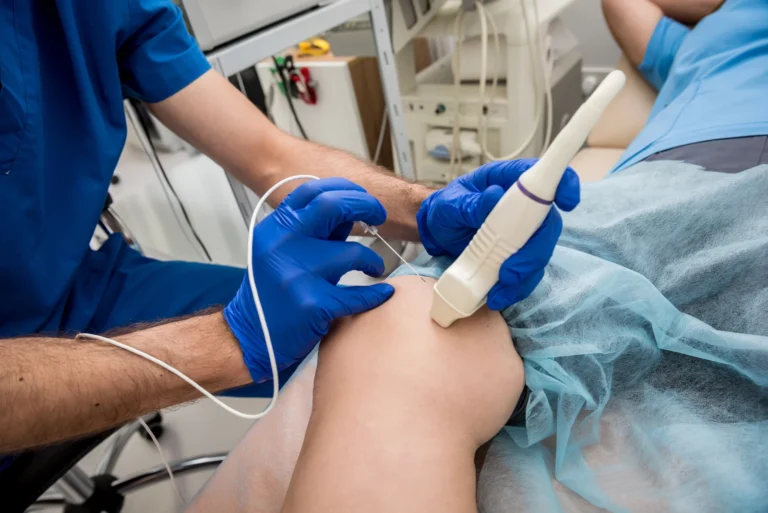
What are radiofrequency ablation (RFA) and endovenous laser ablation (EVLA)?
Both RFA and EVLA are catheter-based, minimally invasive procedures that close refluxing (leaky) veins responsible for varicose veins, leg heaviness, swelling, and cramping. Using ultrasound guidance, a small catheter is inserted into the diseased vein. Controlled thermal energy (radiofrequency energy or laser energy) is delivered along the vein wall to collapse and seal it. The body naturally reroutes blood through healthy veins, and the treated vein gradually fades.
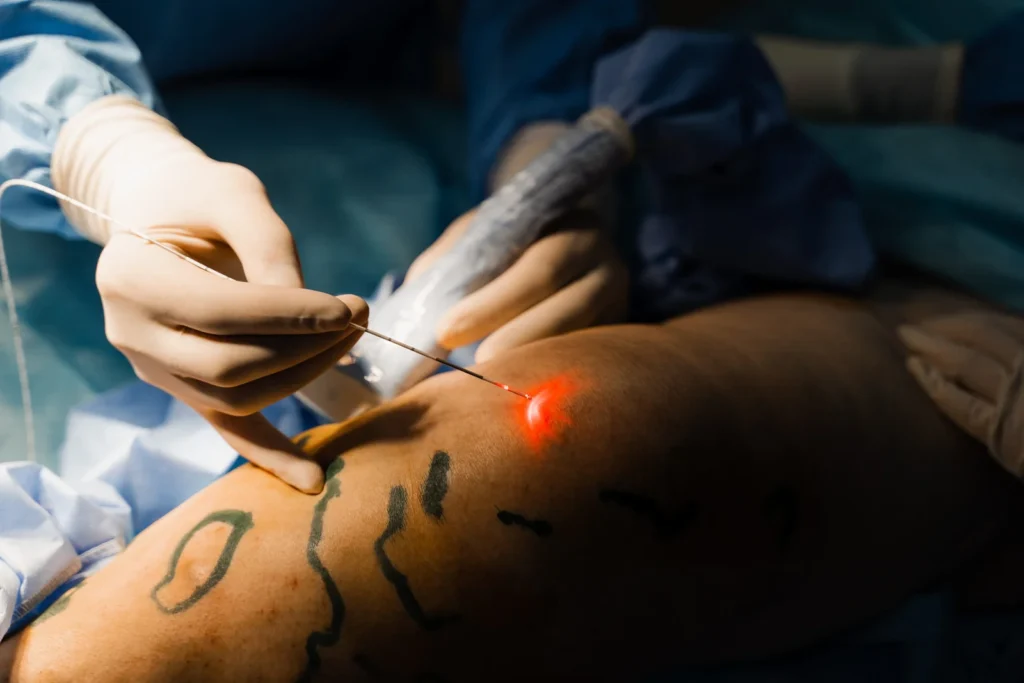
Why choose radiofrequency & laser ablation?
- Minimally invasive, outpatient treatments performed under local anesthesia
- Ultrasound-guided precision for safer, more effective vein closure
- Rapid recovery — many patients return to normal activities the next day
- High success rates for symptomatic varicose veins and venous reflux
- Performed in a calm, clinical setting focused on comfort and results
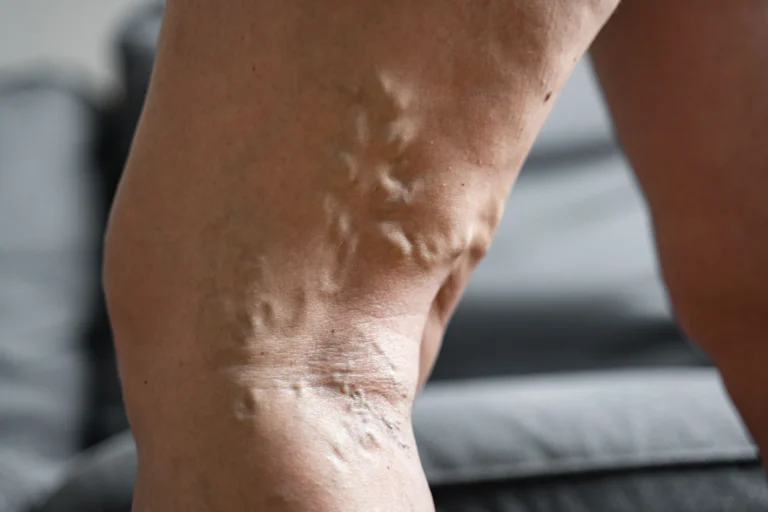
Who is a candidate?
- Symptomatic varicose veins (aching, swelling, heaviness, cramping, itching)
- Documented venous reflux on duplex ultrasound or chronic venous insufficiency
- Cosmetic concerns from bulging veins or visible varicosities
- General good health and realistic expectations
What to Expect — Treatment Overview
Consultation & ultrasound evaluation
- We perform a focused medical history and duplex ultrasound to map refluxing veins and create a personalized treatment plan.
Procedure day
- Performed in-office under local anesthesia. Sedation is optional in select cases.
- A tiny catheter or fiber is inserted through a small puncture; ultrasound guides placement.
- Thermal energy (radiofrequency or laser) is applied to close the target vein.
- Procedure time is usually 30–60 minutes, depending on the extent of disease.
Immediate aftercare
- Compression stockings are applied; walking is encouraged the same day.
- Most patients leave same day and resume light activities quickly.
Follow-up
- Clinical and ultrasound checks are scheduled to confirm vein closure and healing.
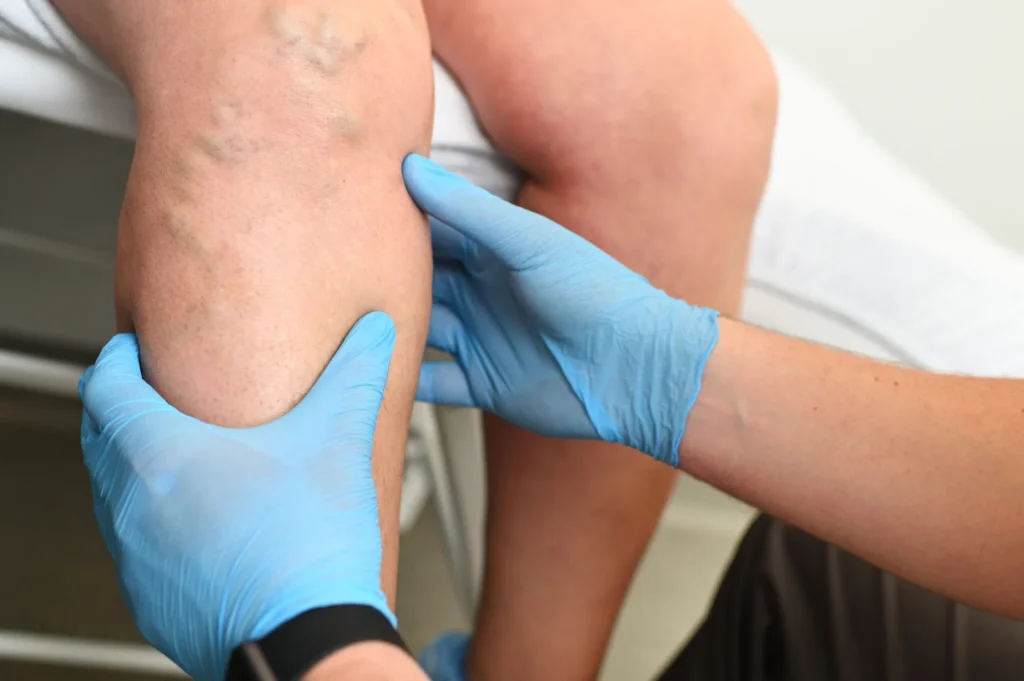
Benefits & outcomes
- Effective symptom relief for aching, swelling, and leg heaviness
- High long-term closure rates (most studies report success rates above 85–95%)
- Minimal scarring and improved leg appearance over months
- Faster recovery than traditional vein stripping surgery
What to expect — treatment overview
Non-surgical rhinoplasty is safe when performed by experienced providers. Possible temporary side effects include swelling, bruising, and tenderness. Rare but serious complications — such as vascular occlusion or visual changes — require immediate attention. We maintain strict safety protocols, use appropriate techniques (cannula where indicated), and have hyaluronidase and emergency measures on site.
Risks and potential complication
- Bruising, redness, and temporary swelling
- Skin discoloration or pigmentation along treated veins
- Nerve irritation or numbness (usually temporary)
- Superficial thrombophlebitis (inflammation of the treated vein)
- Rarely: deep vein thrombosis (DVT) or infection Your provider will review risks and safety steps during your consultation.
How RFA vs. EVLA differs (simple comparison)
- Energy source: RFA uses radiofrequency (heat via electrical current); EVLA uses laser energy (light converted to heat).
- Similar goals: Both close the diseased vein and reroute blood through healthy veins.
- Selection: Choice depends on vein size, anatomy, prior treatments, and physician preference—your specialist will recommend the best option for lasting results.
Why choose us?
- Evidence-based, minimally invasive vein procedures delivered in a calm, clinical environment
- Ultrasound-guided treatments performed by experienced clinicians focused on safety and natural-looking results
- Personalized treatment plans combining clinical expertise with patient-centered care
- Convenient Dallas location with easy booking and coordinated follow-up
FAQs
Most patients report minimal discomfort. Local anesthesia and tumescent anesthesia around the vein keep the procedure comfortable. Mild soreness afterward is normal.
Typically 30–60 minutes depending on how many veins are treated.
Treated veins collapse immediately, but visible improvement occurs over weeks to months as the vein is reabsorbed.
Many insurance plans cover RFA and EVLA when varicose veins cause symptoms and duplex ultrasound documents reflux. Our team can help verify coverage and provide required documentation.
Reflux in the treated vein is permanently corrected in most cases, though new or recurrent reflux can develop in other veins over time. Regular follow-up helps detect and treat recurrence early.