
Uncategorized

Uncategorized

Varicose Vein Treatment: 4 Safe & Non-Surgical Options

Varicose Vein Treatment: 4 Safe & Non-Surgical Options If you’re searching for “varicose vein treatment,” you want effective, minimally invasive care that treats both symptoms and appearance. At Versailles we offer a full spectrum of vein treatment options, Radiofrequency & Laser Ablation, Phlebectomy & Sclerotherapy, and Varithena injections,  to address varicose veins, spider veins on legs, and the discomfort they can cause. This guide explains how each treatment works, what to expect, and answers common questions including Varicose veins treatment cost and how to find the right Spider vein treatment near me. Understanding the problem: varicose veins vs spider veins Varicose veins are enlarged, bulging veins that often occur in the legs due to venous reflux (faulty valves). They may cause aching, swelling, cramping, restless legs, or skin changes. Spider veins on legs are smaller, more superficial vessels that create a web-like appearance and are often a cosmetic concern but can also cause discomfort.  If you’re looking for spider veins on leg treatment or solutions for larger varicose veins, proper diagnosis with duplex ultrasound is the first step. How we diagnose and choose the best treatment Before any procedure, we perform a clinical exam and duplex ultrasound mapping to identify the underlying reflux and map the veins causing your symptoms.  Accurate mapping allows us to recommend the best non-surgical vein treatment for your specific anatomy, whether that’s Radiofrequency & Laser Ablation to treat the source of reflux, phlebectomy to remove bulging surface veins, sclerotherapy for spider veins, or Varithena® injections when veins are tortuous and not easily accessed with a catheter. Radiofrequency & Endovenous Laser Ablation (RFA / EVLT) Radiofrequency and laser ablation are catheter-based thermal procedures used to close refluxing saphenous veins (the common source of varicose veins). Under local anesthesia and ultrasound guidance, a small catheter delivers heat to collapse and seal the faulty vein; blood is then rerouted through healthy veins.  These treatments are leading non-surgical vein treatment choices because they are performed in-office, require minimal downtime, and have high success rates. Many patients resume light activity the same day. Phlebectomy (Ambulatory Microphlebectomy) Phlebectomy removes visible, bulging varicose veins through tiny incisions under local anesthesia. This procedure provides immediate cosmetic improvement and symptom relief for veins that are too large for sclerotherapy.  Phlebectomy is often combined with RFA or EVLT to treat both the underlying reflux and the surface varicosities for durable results. Sclerotherapy (Liquid and Foam) Sclerotherapy is the preferred option for spider veins on legs and small reticular veins. A sclerosant is injected into the vein, causing it to collapse and be reabsorbed. Liquid sclerotherapy treats fine spider veins; foam sclerotherapy is used for larger tributaries.  Multiple sessions may be required for optimal cosmetic results. If you are searching for spider vein treatment near me, sclerotherapy is the common, minimally invasive solution. Varithena® Injections Varithena® is an FDA-approved polidocanol foam specifically formulated to treat incompetent great saphenous veins and branching varicosities, especially when veins are tortuous. It’s an excellent option when catheter-based access is challenging and can reduce bulging and symptoms with a single in-office treatment in many cases.  Varithena® expands the non-surgical toolkit and gives us greater flexibility when tailoring treatment. Combining treatments for best outcomes The most successful vein care treats the root cause first. We typically address the underlying reflux (RFA/EVLT or Varithena®) and then treat the remaining surface veins and spider veins with phlebectomy and sclerotherapy.  This staged approach minimizes recurrence and enhances both functional and cosmetic results. Discussing Vein treatment options with your vein specialist ensures a customized plan based on your goals and medical needs. Recovery and aftercare After non-surgical vein treatment, most patients walk immediately and can return to normal activities within days. Compression stockings are commonly recommended for 1–2 weeks to support healing and reduce bruising.  Mild soreness, bruising, and temporary numbness near treated veins are common and usually resolve in a few weeks. Follow-up visits and ultrasound checks confirm treatment success. Varicose veins treatment cost: what to expect Varicose veins treatment cost varies depending on procedure type, disease extent, number of treatment sessions, and whether insurance coverage applies.  Insurance often covers ablation and phlebectomy when there is documented medical necessity (symptoms and duplex evidence of reflux).  Cosmetic-only spider vein treatments are more likely to be out-of-pocket. Typical pricing ranges: RFA/EVLT: varies by complexity and number of veins treated. Phlebectomy: depends on the number of veins removed. Sclerotherapy: often billed per session. Varithena®: cost varies with treated area and number of injections. For a precise estimate, schedule a consultation so we can evaluate your veins and provide a personalized quote and insurance assistance. Ready to take the next step? If you’re searching for “varicose vein treatment near me” or need spider veins on leg treatment, we’re here to help with comprehensive, minimally invasive care.  Schedule a consultation and duplex ultrasound to determine the best non-surgical vein treatment plan tailored to you.   Whether your concern is cosmetic (Spider veins on legs) or medical (painful varicose veins), our team delivers personalized, evidence-based care. Call or email today to learn more about Vein treatment options and get a clear estimate for Varicose veins treatment cost. We look forward to helping you feel and look better. FAQs Q: Do spider veins mean I need surgery?A: No, most spider veins are treated non-surgically with sclerotherapy. If you have symptoms or underlying reflux, non-surgical ablation or Varithena® may be recommended first. Q: Will my veins come back?A: Treating the source of reflux reduces recurrence risk. Some new veins can appear over time, but staged treatments minimize this. Q: How do I find reliable ‘Spider vein treatment near me’?A: Look for clinics offering duplex ultrasound, multiple Vein treatment options, and experienced specialists with before/after photos and good patient reviews Q: What is recovery like after vein treatments? A: Most patients walk the same day, wear compression stockings 1–2 weeks, and expect mild bruising or soreness for days–weeks. For specific aftercare related to varicose vein treatment near me or spider veins on leg

Uncategorized

Varicose Veins Treatment Using Lasers:Procedure, Price, Recovery Time

Varicose Veins Treatment Using Lasers:Procedure, Price, Recovery Time There are many aspects you need to consider when making up your mind whether you should receive a varicose vein removal procedure or not. First of all, you have a question of what kind of procedure this is. Then you want to know more details of it, including its cost and what results to expect after it. These distended veins on your legs may not only look terrible; they are causing pain. They throb in the evening, giving you heaviness in your legs. You may have abandoned the idea of wearing shorts because of your leg veins. Maybe you even consider varicose veins to be an inevitable part of aging. Here is what you need to know about varicose vein treatment: Almost everyone can walk out from the doctor’s office after receiving laser treatment for varicose veins and resume normal activities within days. Varicose Veins Development: Factors Contributing to Varicose Vein Formation To be able to determine what causes the formation of varicose veins, it is imperative for one to learn about the workings of their veins. It is a known fact that there is only one thing that your veins can do, and that is move the blood upwards against gravity in your legs. Endovenous laser treatment (EVLT) is a very effective way to close off veins that are causing problems, but it’s important to remember that results can be different for each patient. Most of the time, the vein that was treated stays sealed and is slowly absorbed by the body. This improves circulation and relieves symptoms. But in a small number of patients, the vein that was treated may reopen over time or new varicose veins may form. Long-term outcomes can be affected by things like the health of the veins, the person’s lifestyle, and how well they follow post-treatment care. If these valves become defective, they will be unable to control the blood flow; hence, it becomes impossible to push blood upward towards your heart. Consequently, this leads to blood accumulation in your veins and causes them to swell and dilate. This condition can be called venous insufficiency or venous reflux, while the outward appearance of this condition is varicose veins. The causes of increased susceptibility to varicose veins can be as follows: Genetic predisposition: People who have parents suffering from varicose veins are considered to be at a high risk of experiencing this condition; Aging: The older a person is, the weaker his/her valves become. Pregnancy: Varicose veins appear when blood volume increases. Profession: A profession involving prolonged standing and sitting contributes to the development of veins. Obesity: Extra body weight imposes additional strain on veins. Understanding the cause of varicose veins is very important to treat it correctly. Varicose Veins Laser Treatment Varicose veins laser treatment is a type of therapy that involves the use of light rays to treat the problem. This is an intraluminal procedure that results in permanent closure of the veins. In place of the surgical elimination of the damaged vein, the surgeon inserts a thin filament into it. After its activation, a laser begins producing energy and closing the walls of the blood vessel. With the damaging of a blood vessel, the organism tries to return to the norm. That is why blood flow passes through other vessels, avoiding the vessel damaged due to the disease. This is good since the patient will gain better circulation due to the process. It can be called the revolutionizing method. What Is Laser Treatment for Varicose Veins? Whenever a vein becomes damaged, the body tries to repair the problem. As a result, blood begins flowing through other healthy veins, avoiding the diseased area. Such a procedure is useful since it results in improvement of the patient’s blood flow. In general, it may be regarded as an innovation. On the one hand, it provides all the advantages of surgical operations. On the other hand, it avoids all risks, discomfort, and inconvenience associated with the traditional operation. Symptoms of Varicose Veins Therapy However, varicose veins often lead to daily discomfort that affects the patient’s well-being negatively. The following signs are reasons why you should consider undergoing treatment: Persistent throbbing pain in the legs, especially when standing. Feeling of heaviness and tiredness of the legs, which gets worse by the end of the day. Ankle and lower leg swelling. Tingling sensations close to the varicose veins Leg cramping or restless legs during night-time hours Changes in the skin color and texture (becomes darkened, hardened, dry) in the areas close to the ankles Bleeding of a surface vein due to a bump Nevertheless, in the absence of treatment, there will be many risks involved, such as skin ulceration, formation of clots in the superficial veins, and permanent damage to the skin. One can easily escape all these risks by seeking medical assistance early on. What to Expect During the Evaluation? Evaluation of varicose veins is the key to getting healthy legs. The following are some of the procedures that one should expect at their initial appointment. Medical history assessmentThe medical practitioner will assess your medical history by asking you about your signs, how long you’ve had them, what triggers them, and any other medical history in your family. You must tell your medical practitioner about the signs you are experiencing since they are important in determining the treatment needed for the condition. Physical examinationYou will be required to stand when the physician carries out an inspection of the veins that appear on your legs. He or she will need to know their location, size, and shape. You will be asked to stand because this facilitates the filling of veins with blood, making them more visible. Duplex ultrasoundThis non-invasive imaging technique provides reliable diagnostic information about valve function. Waves emitted by an ultrasound help identify the direction of blood flow within your veins. Your physician determines the areas with valve dysfunction that should be treated. Ultrasound eliminates other

Uncategorized

Botox and Fillers: What You Need to Know Before Your Treatment

Botox and Fillers: What You Need to Know Before Your Treatment Cosmetic injectables have become a cornerstone of modern aesthetic care, offering quick, minimally invasive ways to refresh your appearance.  Whether you’re searching for “botox treatment near me” or comparing “botox vs fillers cost,” understanding how Botox and dermal fillers work, where they’re used, and what results to expect will help you choose the right treatment for your goals. What are Botox and Fillers? Botox is a neuromodulator derived from botulinum toxin that temporarily relaxes targeted muscles.  It softens dynamic lines caused by facial movement, think frown lines, forehead creases, and crow’s feet. Dermal fillers, by contrast, are injectable gels (commonly hyaluronic acid) that restore volume, lift, and contour by physically filling areas of hollowness or loss.  These two categories serve different purposes and are often used together for balanced, natural-looking rejuvenation. Botox treatment areas Botox (relaxes muscles, best for movement-related lines) Forehead: softens horizontal creases caused by raising the brows, giving a smoother brow while preserving natural movement when dosed conservatively. Glabella (frown lines): reduces the vertical “11” lines between the brows for a less tired or angry appearance. Crow’s feet: softens the fine lines at the outer corners of the eyes that appear with smiling and squinting. Brow lift: strategic weakening of depressors can create a subtle lateral brow elevation to open the eyes. Masseter (jaw): relaxes the chewing muscle to reduce teeth grinding and slim a square jaw over weeks. Chin dimpling: smooths a “pebbled” chin appearance caused by hyperactive mentalis muscle. Neck bands (platysma): softens vertical neck cords and can improve lower-face contour. Hyperhidrosis: injections block nerve signals to sweat glands, markedly reducing excessive sweating for months. Fillers: treatment areas Lips: add volume, shape the vermillion border, and correct asymmetry for fuller, natural-looking lips. Cheeks (midface): restore lost volume and lift the midface, improving nasolabial folds and overall facial harmony. Tear troughs (under-eye): fill hollowing to reduce shadowing and tired appearance, requires delicate technique to avoid puffiness. Nasolabial & marionette folds: refill deep smile and mouth-to-chin lines to smooth transitions and restore support. Jawline & chin: contour and project the lower face for a sharper profile and better facial balance. Non-surgical rhinoplasty: smooth bumps or lift a drooping tip for immediate refinement without surgery (technique-sensitive). Temples, hands, earlobes: replenish age-related hollows for a subtle, rejuvenated look in peripheral areas. Difference between Botox and fillers, explained If you’ve typed “what is the difference between botox and fillers” or “is botox the same as fillers,” the simplest answer is: no,  they are not the same.  Botox relaxes muscles to reduce movement-related lines. Fillers add volume to areas that have thinned with age or need structural support. Each has its own indications, expected results, longevity, and potential side effects.  They can be complementary; using both strategically often yields the most harmonious outcomes. Longevity and results Botox results typically start to appear within a few days and reach full effect in about two weeks; results usually last 3–4 months.  Fillers can last from 6 months to 2 years or more depending on the product, area treated, and individual metabolism. Both treatments are reversible or adjustable in many cases, hyaluronic acid fillers can be dissolved with hyaluronidase, while Botox effects wear off over time. Safety and experience Both Botox and fillers are widely used and generally safe when administered by experienced, licensed practitioners.  Side effects may include temporary bruising, swelling, or redness at the injection site. Rare but important risks (e.g., vascular occlusion with fillers) underscore the importance of choosing a qualified provider.  Before any treatment, discuss medical history, medications, allergies, and aesthetic goals during your consultation. Cost considerations: botox vs fillers cost When comparing “botox vs fillers cost,” remember they are priced differently: Botox is typically charged per unit and depends on the number of units used, while fillers are usually charged per syringe.  Cost varies by practitioner, geographic location, and the specific product chosen. A consultation will provide an accurate estimate tailored to your needs.  Searching “best botox and fillers near me” or “botox treatment near me” and comparing credentials, reviews, and before-and-after portfolios can help you find good value and safety. Finding a provider and realistic expectations Look for board-certified dermatologists, plastic surgeons, or licensed injectors with extensive, verifiable experience.  Review “botox fillers before and after pictures” to evaluate naturalness and consistency of results, but be cautious of edited images or inconsistent lighting.  A reputable practitioner will offer a candid assessment of what’s achievable and tailor a plan that suits your facial anatomy and aesthetic goals. Combining treatments Many patients choose combination approaches, Botox to reduce dynamic movement and fillers to restore volume and contour.  This synergistic strategy often delivers more balanced, long-lasting outcomes than either treatment alone. Your provider will recommend timing and sequencing based on the areas treated and your individual response. Aftercare and follow-up Aftercare advice is straightforward: avoid strenuous exercise, significant heat exposure, and massaging treated areas for a short period after injections.  Follow-up appointments allow fine-tuning and address any concerns. Always contact your provider if you experience unusual pain, prolonged swelling, or signs of infection. Conclusion Botox and fillers are powerful tools for facial rejuvenation when used appropriately. Start with a thorough consultation, set realistic expectations, and choose a provider who prioritizes safety and natural-looking results.  If you’re searching “botox treatment near me” or “best botox and fillers near me,” take the time to review credentials and before-and-after images to ensure you’re comfortable with your choice. FAQs Q: Are Botox and fillers the same? A: No. Botox is a neuromodulator that relaxes muscles; fillers add volume and structure. They serve different purposes but are often used together. Q: What’s the difference between Botox and fillers? A: Botox treats dynamic lines by reducing muscle activity. Fillers restore volume, fill hollows, and enhance contours. Duration, technique, and outcomes differ. Q: Where can Botox be used?A: Common botox treatment areas include the glabella (frown lines), forehead, crow’s feet, chin, neck bands, and other small muscle-related lines.

Uncategorized

Spider Veins vs Varicose Veins: Which Treatment Works Best in rockwall

Spider Veins vs Varicose Veins: Which Treatment Works Best in rockwall Most people who notice veins showing through their skin wonder whether they have spider veins or varicose veins, and more importantly, which treatment will get them back to comfortable, confident legs.  In Rockwall, clinics like Versailles Health & Wellness offer a full range of options, from sclerotherapy for cosmetic targets to radiofrequency ablation and Varithena® for medically significant venous reflux.  This guide will walk through the differences between spider veins and varicose veins, how to recognize early stages, what treatments work best for each condition, and practical answers to common questions about cost, insurance, pain, and before-and-after expectations. Understanding the difference: spider veins vs varicose veins Spider veins are small, thin veins near the surface of the skin that often appear as a web-like network of red, blue, or purple lines. They’re usually cosmetic, though they can sometimes cause mild itching or burning. Varicose veins are larger, bulging, and often twisted veins that can cause aching, heaviness, swelling, cramping, and, over time, skin changes or ulceration if left untreated. Varicose veins frequently reflect an underlying problem called chronic venous insufficiency (venous reflux), where faulty valves allow blood to pool in leg veins. When people search “spider vs varicose veins” or “spider vein vs varicose,” the main distinction is size and symptoms: spider veins are primarily cosmetic, while varicose veins tend to be symptomatic and may require medical treatment. First stage varicose veins vs spider veins: spotting the early signs “First stage of varicose veins vs spider veins” is a useful comparison. Early or mild varicose veins might only show as slightly raised or prominent veins with intermittent aching or heaviness after standing.  Spider veins, by contrast, are flat, fine, and usually confined to cosmetic concerns. If you’re unsure, a vascular assessment, including duplex ultrasound, can reveal whether there is reflux in deeper veins that needs treatment. Treatment options in Rockwall, Dallas: what works best Treatment choice depends on the type and severity of the vein problem. Versailles Health & Wellness clinics offer evidence-based techniques: Sclerotherapy (best for spider veins and small reticular veins) What it does: Injects a solution into small veins to collapse them; the body reabsorbs the treated veins over weeks. Ideal for: Cosmetic spider veins and small feeder veins. Recovery: Minimal downtime; multiple sessions may be needed. Phlebectomy (useful for larger surface varicose veins) What it does: Removes larger surface varicose veins through tiny punctures. Ideal for: Prominent surface varicose veins that are symptomatic or cosmetic concerns. Recovery: Quick healing with minimal scarring. Radiofrequency & Laser Ablation (best for underlying venous reflux) What it does: Uses thermal energy to close the damaged vein (often the great saphenous vein), redirecting blood to healthy veins. Ideal for: Varicose veins caused by chronic venous insufficiency. Recovery: Minimally invasive, local anesthesia, little downtime; reduces pain, swelling, and improves circulation. Varithena® injections (non-surgical treatment for saphenous reflux) What it does: A foam-based prescription injectable that collapses the diseased vein without incisions. Ideal for: Varicose veins resulting from great saphenous vein reflux; an option when ablation isn’t suitable. Recovery: In-office procedure with minimal discomfort and quick return to normal activity. Which treatment “wins”? The right choice depends on diagnosisThere’s no one-size-fits-all winner in the spider veins vs varicose veins debate. For purely cosmetic spider veins, sclerotherapy or surface laser treatments are often the most effective. For symptomatic varicose veins, especially when caused by venous reflux, radiofrequency or laser ablation, Varithena® directly treat the underlying problem and typically provide longer-lasting relief.  Many patients benefit from a combined approach: ablation to address reflux and phlebectomy or sclerotherapy to remove the remaining visible veins. Is varicose vein treatment painful? Fortunately, most modern vein procedures are performed with local anesthesia and are minimally invasive. Patients report mild discomfort during injections or brief thermal ablation, followed by soreness or bruising that resolves in days to weeks.  Pain is generally manageable with over-the-counter medication and compression stockings. How much is varicose vein treatment? “How much is varicose vein treatment” is a common concern. Costs vary by procedure, the number of sessions, and individual needs.  In general, minimally invasive ablation or Varithena® procedures can range higher than a single sclerotherapy session because they treat deeper disease.  Versailles Health & Wellness offers consultations to provide an accurate estimate and has financing options to make treatment accessible. For an exact cost, schedule an evaluation so the care team can recommend a personalized plan. Before and After varicose veins treatment: what to expect Searches for “before and after varicose veins treatment” often look for visual proof. Most patients see visible improvement within weeks to months.  Ablation and Varithena® provide rapid reduction in bulging and symptoms as circulation improves; phlebectomy and sclerotherapy fade or remove visible veins over several weeks. Clinics usually share before-and-after galleries so you can see realistic outcomes for similar cases. Choosing a Rockwall, Dallas provider If you’re weighing “spider veins vs varicose veins,” choose a clinic that offers diagnostic ultrasound, a full range of treatment options (sclerotherapy, phlebectomy, ablation, Varithena®), and a personalized plan.  Versailles Health & Wellness in Rockwall, Dallas provides these advanced therapies with a focus on safety, minimal downtime, and both cosmetic and medical outcomes. FAQs Q: How do I know if my vein issue is spider veins or varicose veins?A: Spider veins are small and flat; varicose veins are larger, bulging, and often symptomatic. A duplex ultrasound at a vein clinic confirms whether there’s underlying reflux. Q: Can spider veins turn into varicose veins?A: Spider veins don’t typically “turn into” varicose veins, but both can coexist. Venous reflux that causes varicose veins may produce feeder veins that appear as spider veins. Q: How many sclerotherapy sessions will I need?A: Many patients need multiple sessions spaced weeks apart for optimal cosmetic results. Your clinician will recommend a schedule based on the extent of spider veins. Q: Is vein treatment safe?A: Modern vein treatments like radiofrequency ablation, phlebectomy, sclerotherapy, and Varithena® are safe when performed by trained clinicians. Ultrasound

Uncategorized

Benefits of Exosome Treatment for hair in Texas

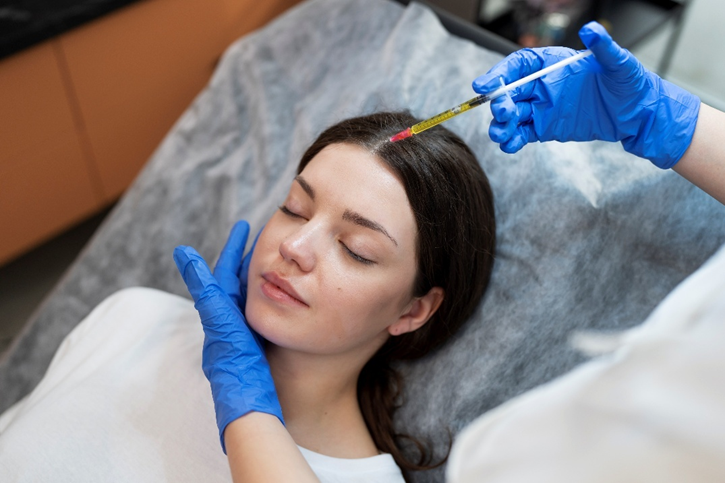
Benefits of Exosome Treatment for hair in Texas At Versailles, we target the root causes of hair loss by increasing blood flow, repairing follicles and delivering powerful growth factors to the scalp. These evidence-based solutions are safe, effective for both men and women and tailored to support fuller, healthier hair—without surgery or downtime.  If you’re experiencing thinning hair or hair loss, Exosome Therapy for Hair Restoration offers a revolutionary, non-surgical solution that taps into the power of regenerative medicine. This advanced treatment uses stem cell-derived exosomes—tiny but powerful messengers that help stimulate natural hair growth, repair damaged follicles, and reduce scalp inflammation. What is Exosome Hair Therapy? Exosome therapy is a cutting-edge hair restoration treatment that works at the cellular level. Exosomes are derived from stem cells and are packed with growth factors, proteins, and genetic material that support tissue regeneration. When applied to the scalp, they help reactivate dormant hair follicles, encouraging new, healthy hair growth.  Benefits: Accelerates Hair Regrowth and Density Experience faster and fuller hair growth, with improved thickness and volume over time. Reactivates Dormant Hair Follicles Stimulates inactive follicles, helping to reverse hair thinning and early-stage hair loss. Reduces Scalp Inflammation Soothes the scalp and promotes a healthy environment for consistent hair growth. Enhances Results with Microneedling Combine with microneedling to boost absorption and maximize results. No Downtime, Safe for All Hair Types A completely non-invasive treatment with no recovery time—perfect for both men and women. Why Choose Exosome Therapy? Unlike traditional hair loss treatments or hair transplants, exosome therapy offers a natural, regenerative approach that targets the root cause of hair loss. It’s ideal for individuals looking for a non-surgical, low-maintenance hair growth solution with real results.  Ready to Regrow Your Confidence? If you’re looking for a safe and effective hair restoration treatment, exosome therapy may be right for you. Schedule a consultation today to find out how exosome hair therapy can help you achieve thicker, fuller hair—naturally.  Hair Therapy with PRP: A Simple, Effective Option at Versailles Health & Wellness (Rockwell,TX) Best Weight loss treatment to Get Rid of Unwanted Fat

Uncategorized

When to Consider Hair Loss Treatment In Texas 

When to Consider Hair Loss Treatment In Texas Best Hair Loss Treatment in Texas: Advanced Options for Men and Women Hair loss is a common concern that affects millions across the United States, and for many Texans, it can feel overwhelming trying to find the right treatment. Whether you’re experiencing early thinning, patchy hair loss, or advanced balding, the good news is that the best hair loss treatment in Texas is more accessible than ever—thanks to modern technology, expert providers, and even virtual options.  At Versailles Health & Wellness Clinic, we offer cutting-edge, non-surgical hair restoration treatments for both men and women. Our approach combines science, technology, and personalized care to help you regain fuller, healthier hair without surgery or downtime.  In this guide, we’ll explore the top treatments available, how to find a trusted physician for hair loss, and what you can expect in terms of hair loss treatment in Texas cost.  1. Microneedling with PRP (Platelet-Rich Plasma) This popular female hair loss treatment in Texas also works incredibly well for men. It uses your body’s own plasma, rich in growth factors, to regenerate dormant hair follicles.  Benefits: Boosts natural hair regrowth Increases blood flow and collagen production Improves scalp health Safe and minimally invasive Little to no downtime  By creating controlled micro-injuries to the scalp, this treatment delivers PRP directly into the follicles, helping to “wake up” inactive follicles and improve the quality of existing hair. 2. Exosome Scalp Therapy This popular female hair loss treatment in Texas also works incredibly well for men. It uses your body’s own plasma, rich in growth factors, to regenerate dormant hair follicles.  Benefits: Reactivates dormant follicles Reduces inflammation Supports scalp healing and follicular repair Can be combined with PRP for even better results Zero downtime, safe for all hair types Exosome therapy is among the most cutting-edge regenerative treatments in the field and is gaining popularity across Texas hair loss clinics.  3. Laser & Topical Hair Treatments For those seeking a non-invasive hair loss solution, laser therapy and topical products are often recommended.  Benefits: Improves scalp circulation  Strengthens weak or thinning hair  Slows hair loss progression  Safe and easy for at-home or in-office use  This is an excellent option for patients who prefer online hair loss treatment in Texas, as laser caps and topical treatments can be shipped directly to your home after an initial virtual consultation.  Female Hair Loss Treatment in Texas Hair loss in women is often caused by hormonal fluctuations, stress, or genetics. Our clinic provides solutions tailored to these unique needs, including: PRP scalp therapy Hormonal evaluations and HRT (Hormone Replacement Therapy)  Topical and oral medications  Laser hair stimulation These treatments address both the internal and external causes of hair thinning, offering real, visible results over time  Hair Loss Treatment for Male Patients These treatments address both the internal and external causes of hair thinning, offering real, visible results over time Prescription medications like Finasteride or topical Minoxidil PRP or Exosome therapy  Laser caps for at-home use  Scalp wellness treatments to boost circulation If you’re searching for effective hair loss treatment for male patients in Texas, we create fully personalized plans based on your stage of hair loss and medical history.  Online Hair Loss Treatment in Texas We understand not everyone can make it to an office visit, which is why we offer online hair loss treatment in Texas via our secure telehealth platform. For just $35, you can schedule a virtual consultation with a provider to evaluate your hair loss and get expert recommendations, including:  Medication prescriptions  Laser treatment guidance  Topical regimens  Virtual follow-ups and progress tracking You’ll receive expert care from licensed professionals from the comfort of your home—perfect for busy schedules.  Hair Loss Treatment in Texas Cost: What to Expect Wondering what you’ll pay for hair loss treatment in Texas? The cost depends on your treatment type, frequency, and whether you choose in-office or virtual care.  Treatment Option Average Cost in Texas Microneedling with PRP $400 – $1,500 per session Exosome Therapy $1,200 – $2,500 per treatment Laser Hair Therapy $300 – $1,200 (one-time or package) Topical / Prescription Medications $25 – $75 per month Online Consultation $35 per visit Keep in mind, most of these treatments are elective and not typically covered by insurance, but we offer affordable pricing and flexible packages to suit every budget.  Finding the Right Physician for Hair Loss in Texas Choosing the right provider can make all the difference. Look for a Physician for hair loss who:  Is board-certified and experienced in hair restoration  Offers both in-person and telehealth consultations  Uses evidence-based, non-surgical techniques  Provides a full scalp analysis before treatment  At Versailles Health & Wellness Clinic, our providers are trained in both cosmetic and medical dermatology, ensuring you get the most accurate diagnosis and effective solution possible.  Why Choose Versailles Health & Wellness for Hair Loss Treatment in Texas? We pride ourselves on offering the best hair loss treatment in Texas, thanks to:  Advanced non-surgical options (PRP, Exosomes, Laser)  Personalized plans for both men and women  Affordable virtual consultations Skilled providers and high success rates  Convenient online scheduling and telehealth services  Ready to Take the First Step? Whether you’re dealing with early signs of thinning or advanced hair loss, it’s never too early—or too late—to seek help. Schedule your telehealth consultation for just $35 and find out which hair loss treatment in Texas is right for you.  Best Weight loss treatment to Get Rid of Unwanted Fat

Uncategorized

Best Weight loss treatment to Get Rid of Unwanted Fat

Best Weight loss treatment to Get Rid of Unwanted Fat Best Hair Loss Treatment in Texas: Advanced Options for Men and Women At Versailles, we offer a personalized approach to whole-body wellness that focuses on sustainable weight loss, hormonal balance and metabolic health. Our expert-led services are designed to help you feel more energized, balanced and confident—from the inside out.  Whether you’re working toward your goal weight, navigating hormonal changes or just want to feel healthier every day, our treatments are safe, effective and fully customized to your needs.  Our wellness services include:  Liquid Lipo (Lipotropic Injections)  Medical Weight Loss Programs Hormone Replacement Therapy (HRT)  Telehealth Consultations  Liquid Lipo Injections – (Lipotropic Injections for Weight Loss & Energy) Liquid Lipo is a powerful blend of lipotropic nutrients, including essential vitamins and amino acids that help your body burn fat more efficiently, increase energy, and detox naturally. These quick, in-office injections are an excellent addition to any weight loss plan.  Benefits of Liquid Lipo:  Enhances fat metabolism and fat burning  Boosts energy levels and mental clarity Supports liver function and natural detox  Complements medical weight loss programs  Fast treatment with no downtime  Medical Weight Loss Programs – (Physician-Guided Weight Loss Tailored to You) Our Medical Weight Loss Programs are designed to help you lose weight safely and sustainably. Each plan is personalized based on your health history, lab results, lifestyle and goals. Under physician supervision, you’ll receive the support and tools you need to reach and maintain your healthy weight.  What’s Included:  Customized weight loss plans based on science and lab work  Support from medical professionals and lifestyle coaching  Focus on root causes like hormones and metabolism  May include FDA-approved medications if appropriate  Benefits: Promotes long-term weight loss  Encourages healthy habits and nutrition  Addresses issues like insulin resistance, thyroid dysfunction or hormonal imbalances  Hormone Replacement Therapy (HRT) – (Restore Balance & Feel Like Yourself Again) If you’re struggling with symptoms like low energy, mood swings, weight gain or trouble sleeping, hormonal imbalance could be the root cause. Our personalized Hormone Replacement Therapy programs are designed to help you regain balance and feel your best—whether you’re dealing with perimenopause, menopause, or low testosterone. Benefits of HRT:  Restores energy, mood, and mental clarity  Supports healthy metabolism and body composition Improves sleep, libido, and cognitive function  Reduces symptoms like hot flashes, fatigue, and irritability  Customized treatment plans with ongoing monitoring Telehealth Consultations – (Expert Wellness Support, Wherever You Are) Can’t make it to the office? We offer convenient telehealth appointments so you can get expert support from the comfort of your home. Whether you’re starting a new program or need a follow-up, we’re here for you.  Ready to Take the Next Step in Your Wellness Journey? Your path to feeling better starts with a personalized plan built just for you. Whether you’re looking to lose weight, balance your hormones or simply feel more energized day-to-day, we’re here to guide you every step of the way.  When to Consider Hair Loss Treatment In Texas

Scroll to Top